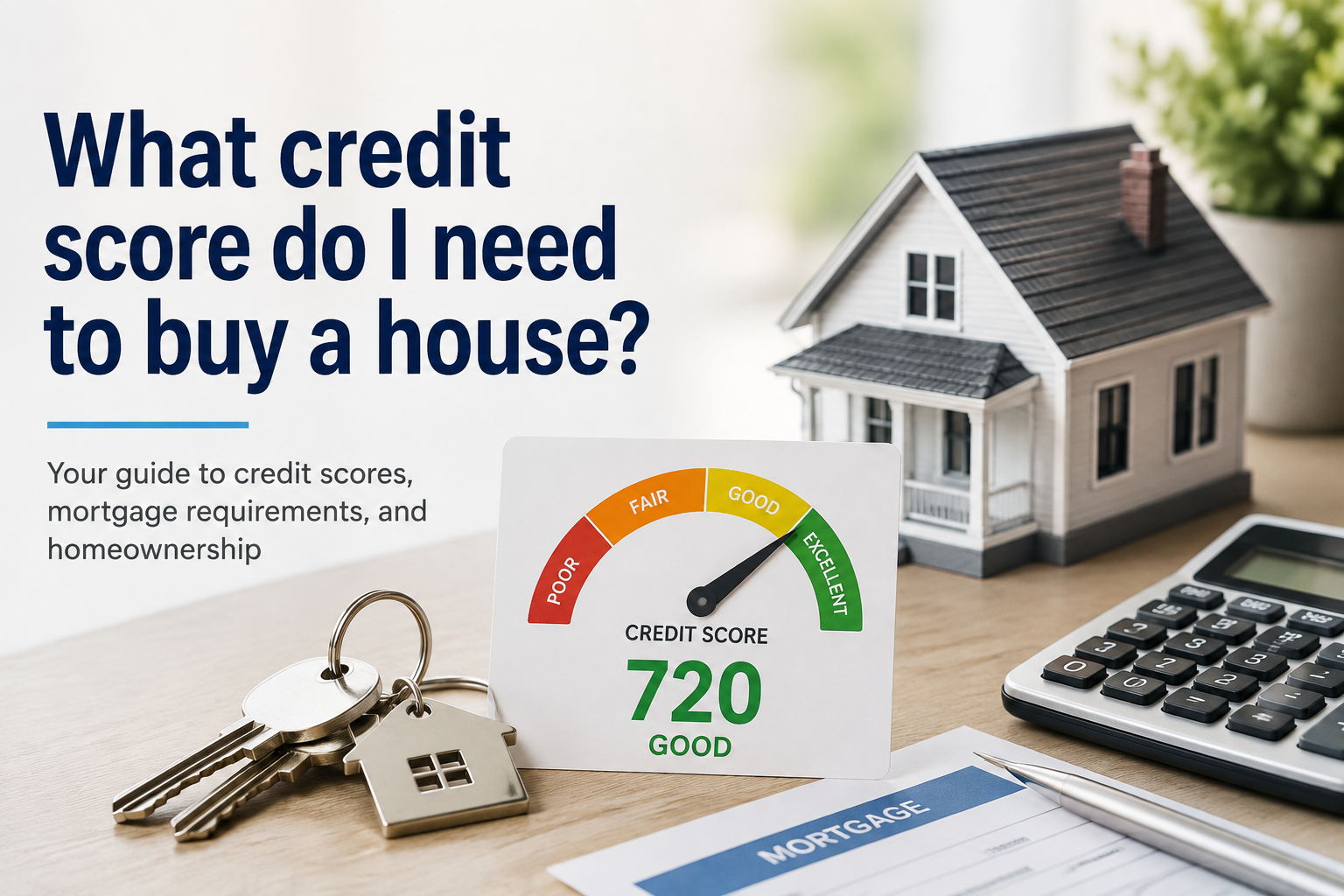
There's no single credit score that unlocks a mortgage. The minimum you need depends on which loan program you use: conventional loans generally start at 620, FHA loans allow as low as 500 to 580 depending on your down payment, and VA and USDA loans have no official government floor at all (though most lenders set their own minimum anyway). Here's how each program breaks down, and why the number on your credit report is only part of the story.
Conventional loans: 620 minimum, 640+ for better terms
Conventional loans, backed by Fannie Mae or Freddie Mac rather than a government agency, are the most common mortgage type. The official minimum credit score is 620. In practice, many lenders won't approve a conventional loan below 640, and the difference between a 620 and a 740 score can mean a meaningfully different interest rate and monthly private mortgage insurance (PMI) cost if you're putting down less than 20%.
Conventional loans also allow down payments as low as 3% for qualifying first-time buyers, but a lower down payment combined with a lower credit score usually means higher PMI premiums stacked on top of your mortgage payment.
FHA loans: 580 with 3.5% down, 500 with 10% down
FHA loans, insured by the Federal Housing Administration, are built for buyers with thinner credit or smaller down payments. The rules are straightforward: a 580 credit score qualifies you for the standard 3.5% down payment. Drop below that, into the 500 to 579 range, and you can still get an FHA loan, but you'll need to put down at least 10%.
FHA loans come with their own tradeoff: mortgage insurance premiums (MIP) that, unlike conventional PMI, often stick around for the life of the loan unless you refinance later.
VA loans: no official minimum, but lenders set their own
The Department of Veterans Affairs doesn't publish a minimum credit score for VA loans, which are available to eligible veterans, active-duty service members, and some surviving spouses. That doesn't mean there's no bar to clear: individual lenders set their own credit requirements, and most want to see something in the 580 to 620 range. VA loans are also one of the only paths to $0 down payment financing, which is a major advantage for eligible buyers regardless of where their score falls.
USDA loans: no official minimum, lenders typically want 640+
USDA loans, aimed at buyers in eligible rural and some suburban areas, work similarly to VA loans in that the government doesn't set a hard credit floor. Lenders, however, commonly look for a 640 or higher before approving a USDA loan. Like VA loans, USDA financing can go to $0 down for eligible properties and buyers.
Why the minimum isn't the whole picture
Meeting a loan program's minimum credit score gets you in the door, but it doesn't guarantee approval or a good rate. Lenders also weigh your debt-to-income ratio, employment history, cash reserves, and the size of your down payment together. Two buyers with the same 620 score can get very different offers depending on those other factors.
If your score is below where you want it to be, the most effective levers are usually paying down revolving credit card balances, avoiding new credit inquiries in the months before applying, and correcting any errors on your credit report. A mortgage lender or a HUD-approved housing counselor can give you a personalized read on how much runway you'd need.
The bottom line
If you're wondering whether your credit is "good enough" to buy a house, the honest answer is: it depends on the loan, and there's very likely a program that fits where you are today. Rather than guessing, the fastest way to find out is to talk to a lender who can pull your actual numbers and lay out real options.
Thinking about buying in the Charlotte area and want a referral to a lender who will give you a straight answer? Reach out and I'm happy to point you in the right direction.
Check out this article next